

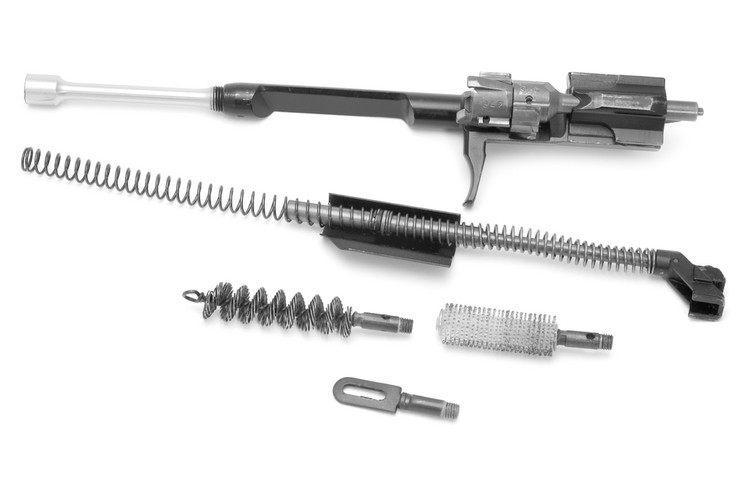
Essential Rifle Parts and Their Functions
Posted by EveryGunPart on 2026-11-12
Basic Rifle Parts Every Hunter Should Know Before Heading Into The Field
Hunters should recognize the basic rifle parts before heading into the field because understanding the major components makes inspections, maintenance, and replacement easier. Knowing the names and functions of common rifle parts also helps hunters identify wear and source compatible components when needed.
What Are The Main Parts Of a Hunting Rifle?
The main parts of a hunting rifle include the barrel, receiver, bolt or action, stock, trigger assembly, magazine, and sights or optics mounting system. Each component serves a specific purpose, and together they allow the firearm to operate safely and consistently during hunting season.
While rifle designs vary by manufacturer and action type, the action, stock, and barrel form the basic groups of firearm parts, with additional components varying by platform. Becoming familiar with these major components helps hunters better understand maintenance instructions, identify replacement parts, and recognize when a firearm may need additional inspection.
Most hunting rifles share several major components, including the barrel, receiver, bolt or action, stock, trigger assembly, magazine, and scope mounting system. The barrel directs the projectile, while the receiver houses many of the rifle’s operating components. The bolt or action manages cartridge loading, locking, extraction, and ejection, while the stock supports handling and stability. The trigger assembly, magazine, and mounting system each support the rifle’s normal operation and setup.
Rifle Parts Names and Functions Explained Simply
While every rifle contains numerous individual components, a few primary parts are responsible for most of the firearm's operation:
|
Rifle Part |
Function |
Why Hunters Should Know It |
|
Directs the projectile as it exits the firearm. |
Barrel condition contributes to consistent firearm performance and should be inspected regularly. |
|
|
Serves as the main housing for many operating components. |
Replacement parts are often selected based on the rifle's receiver and model. |
|
|
Chambers, locks, fires, extracts, and ejects cartridges. |
Wear or damage can affect dependable firearm operation. |
|
|
Releases the firing mechanism. |
A properly functioning trigger supports consistent firearm operation. |
|
|
Supports the action and provides stability while handling the rifle. |
Loose or damaged stock components may affect comfort and stability. |
|
|
Stores cartridges and feeds them into the action. |
Magazine condition influences reliable cartridge feeding. |
|
|
Helps prevent unintended firing when properly engaged. |
Hunters should verify that the safety functions correctly during routine inspections. |
Why Understanding Rifle Parts Matters For Hunting Trips
Understanding rifle parts helps hunters identify potential problems before they affect a hunt, communicate more clearly about repairs, and select compatible replacement components when maintenance is needed. Even a basic knowledge of how major rifle parts work together can make routine inspections more effective.
Hunters often rely on owner's manuals, maintenance guides, and parts diagrams when preparing for the season. Recognizing the names of major components makes those resources easier to follow and helps hunters locate the correct replacement parts if wear or damage is discovered. Hunters preparing for colder conditions may also benefit from reviewing firearm parts for late-season big game hunting to better understand which components deserve attention before heading into the field.
Understanding basic rifle terminology is also helpful when discussing maintenance with a qualified gunsmith or searching for replacement components. Identifying the correct part by name can simplify the ordering process and reduce confusion when comparing compatible rifle parts for a specific firearm model.
Common Rifle Parts That Wear Out Over Time
Several rifle parts experience normal wear through repeated use, routine maintenance, and exposure to hunting conditions. Springs, extractors, firing pin components, magazines, and small retaining hardware are among the components hunters should inspect regularly because they perform repeated mechanical functions during firearm operation.
|
Rifle Part |
Common Signs of Wear |
Why Hunters Should Inspect It |
|
Recoil spring |
Reduced tension or inconsistent cycling |
Helps maintain dependable firearm operation. |
|
Firing pin spring |
Weak spring tension |
Supports consistent ignition. |
|
Extractor |
Rounded edges or worn engagement surfaces |
Helps remove spent cartridges during cycling. |
|
Magazine spring |
Reduced feeding pressure |
Supports reliable cartridge feeding. |
|
Retaining pins and small hardware |
Wear, corrosion, bending, or looseness |
Helps keep internal components properly aligned. |
The rate of wear depends on several factors, including firearm use, storage conditions, maintenance practices, and the rifle's age. Regular inspections allow hunters to identify worn components before they develop into larger mechanical concerns or interrupt a hunting trip.
When several components need attention at the same time, complete gun parts kits for firearm restoration can provide a more organized way to source related parts for a specific firearm platform.
How To Identify Missing Or Damaged Rifle Parts
Missing or damaged rifle parts can often be identified through routine visual inspection and basic function checks before hunting season. Looking for obvious signs of wear or missing hardware helps hunters address potential issues before they affect dependable firearm operation.
Begin by inspecting the rifle for loose, bent, cracked, or corroded components. Check that retaining pins remain fully seated, springs maintain proper tension, and external hardware is secure. Components that appear excessively worn, damaged, or out of place deserve closer inspection before the firearm is used.
Routine function checks may also reveal developing problems. Changes in feeding, extraction, bolt movement, trigger feel, or magazine operation can indicate that one or more components require additional attention. When a missing or damaged part is identified, replacing it with a compatible component designed for the specific rifle model helps maintain proper fit and function. Owners of older or discontinued rifles may also need to spend more time finding rare and obsolete gun parts when original components are no longer readily available.
Browse Affordable Rifle Parts Kits At EveryGunPar
EveryGunPart offers rifle parts, gun parts, and complete gun parts kits for hunting rifles, surplus firearms, discontinued models, and collectible platforms. Explore available components to find the parts that match your firearm and keep your next project moving.
—
Disclaimer: This information is provided for educational purposes only. Many of the inspections, repairs, rebuilds, and part replacements discussed should be completed by a qualified gunsmith. Installing or modifying certain components may also affect or void the manufacturer's warranty, particularly on newer firearms. Review the owner's manual and warranty terms before making changes, and consult the firearm manufacturer or a professional gunsmith when needed.
—